Mapping Initial Incentives to Long-Term Status Upgrades in Smartphone-Based Gaming Environments
Dana Lorenz · Aug 24, 2026
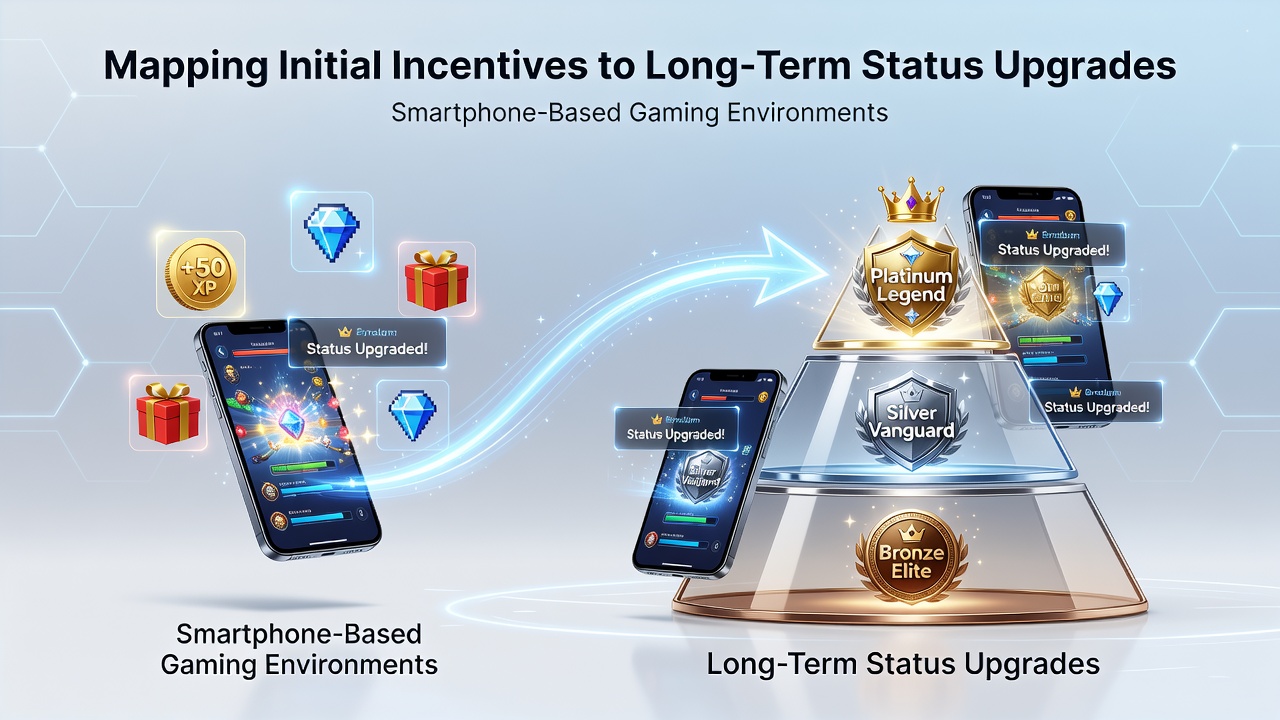
Mapping Initial Incentives to Long-Term Status Upgrades in Smartphone-Based Gaming Environments
Smartphone-based gaming environments rely on structured systems that convert early player rewards into sustained engagement metrics and tiered status levels over extended periods. Developers design these pathways so that initial incentives such as welcome packs, daily login bonuses, and limited-time currency grants establish core mechanics that players encounter within the first sessions. Data collected across major app stores shows that these entry points influence retention curves measured at seven-day, thirty-day, and ninety-day intervals, while also feeding into algorithmic progression trees that unlock higher visibility and competitive positioning.
Mechanics of Early Reward Distribution
Initial incentives appear as free resource bundles or temporary power-ups that reduce early friction and allow players to sample core loops without immediate financial commitment. Researchers tracking user behavior note that these grants often include tiered experience multipliers or exclusive starter avatars that carry forward into later stages, creating visible markers of participation that encourage continued logins. In August 2026 platform updates from leading mobile operating systems introduced refined push notification frameworks that remind users of expiring starter bonuses, thereby tightening the connection between the first interaction and subsequent status milestones.
Game studios calibrate the size and timing of these rewards against telemetry data that records session length and drop-off points. Studies published by academic teams at institutions focused on digital media consumption reveal consistent patterns where players who redeem at least three starter incentives within the opening week demonstrate higher rates of advancing to mid-tier ranks compared with those who skip early offers. The design keeps reward schedules transparent through in-app calendars and progress trackers that display exact thresholds required for each upgrade.
Transition Pathways from Incentives to Status Tiers
Once players accumulate initial rewards, systems convert those assets into qualifying actions that populate status ladders. Points earned from bonus spins or event participation feed directly into experience bars that determine rank elevation, while limited-time items convert into permanent collections that contribute to prestige counters. Observers monitoring live service titles have documented how seasonal events layer additional conversion mechanics on top of base progression, allowing early bonuses to accelerate qualification for elite brackets that feature exclusive matchmaking pools and leaderboard weighting.
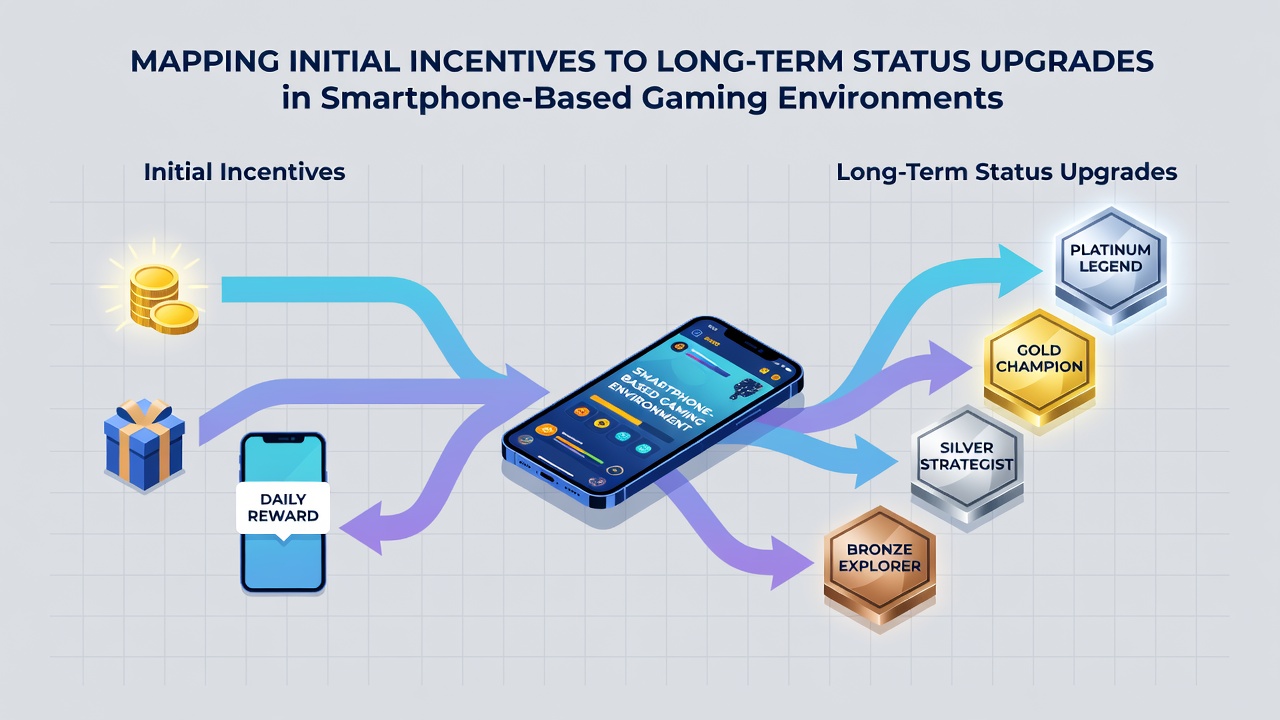
Industry reports from organizations such as the Newzoo Global Games Market track how these conversion rates vary across genres, with strategy titles showing stronger mapping from starter currency to clan leadership roles and battle royale formats emphasizing cosmetic status symbols unlocked through repeated bonus usage. Payment integration points appear later in the sequence, positioned after players have already reached intermediate tiers so that further upgrades feel like extensions of established progress rather than abrupt purchases.
Data Patterns Across Global Markets
Regional variations emerge when analysts compare retention statistics from North American, European, and Asia-Pacific app ecosystems. Figures released by the Interactive Games and Entertainment Association indicate that Australian and Canadian markets record higher average session counts when initial incentives include cross-progression features that carry status forward across multiple devices. European titles meanwhile emphasize regulatory-compliant transparency in how bonus values translate into rank eligibility, which correlates with steadier month-over-month tier advancement among consistent users.
Those who study player lifetime value models note that the strongest correlations appear when early rewards align with social features such as friend referral multipliers and guild contribution trackers. These elements turn solitary starter bonuses into shared status gains that reinforce community retention. Platform analytics dashboards provide developers with segmented views that isolate which incentive types produce the largest jumps in status completion rates, enabling iterative adjustments without altering core gameplay loops.
Conclusion
Smartphone gaming environments maintain clear linkages between entry-level incentives and long-term status structures through measurable progression systems and data-driven calibration. The mapping process relies on transparent thresholds, cross-device continuity, and genre-specific conversion mechanics that together shape sustained participation. Continued observation of these patterns across markets supplies the factual foundation for understanding how initial rewards evolve into enduring player standing within mobile titles.